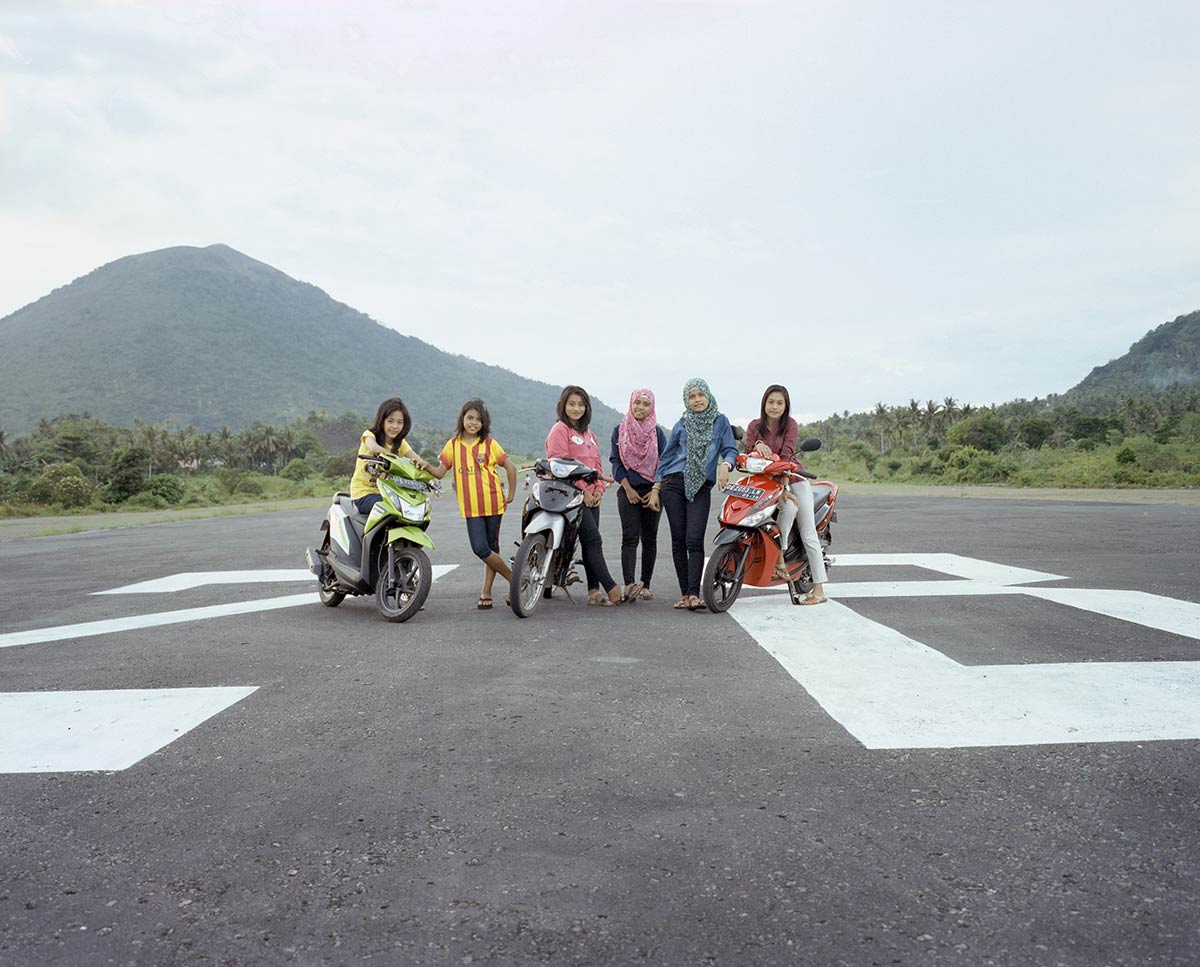
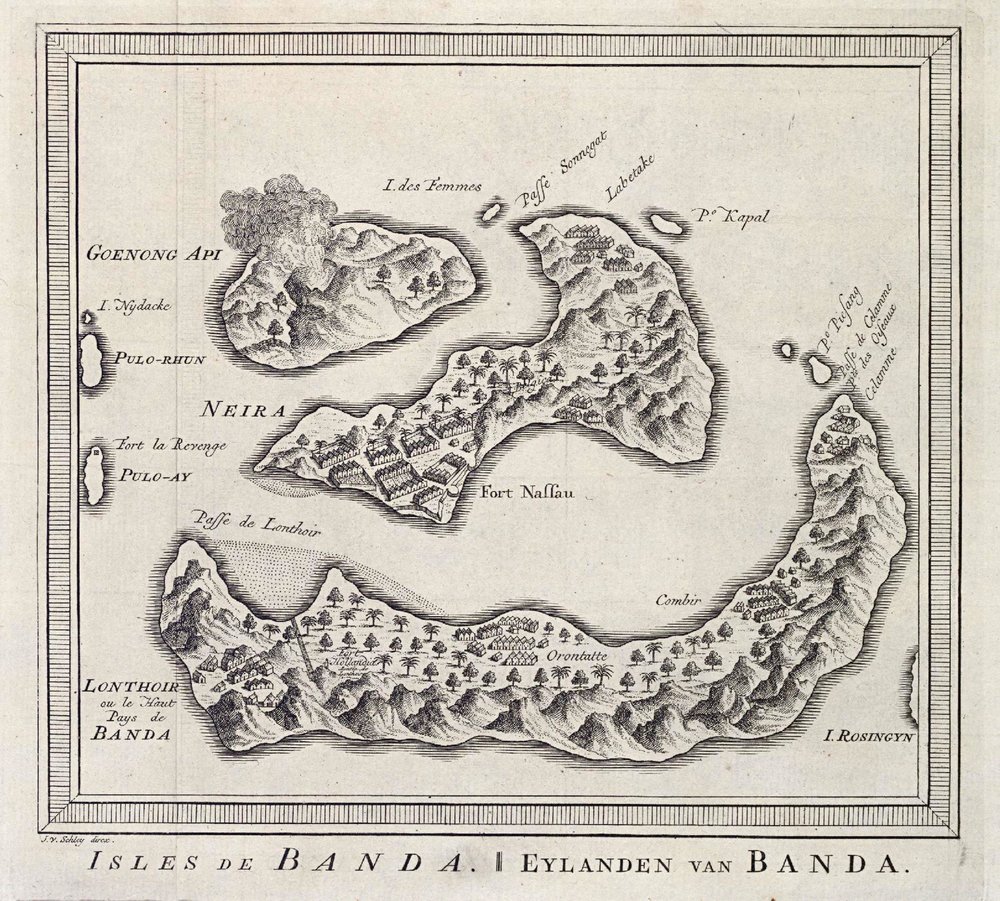
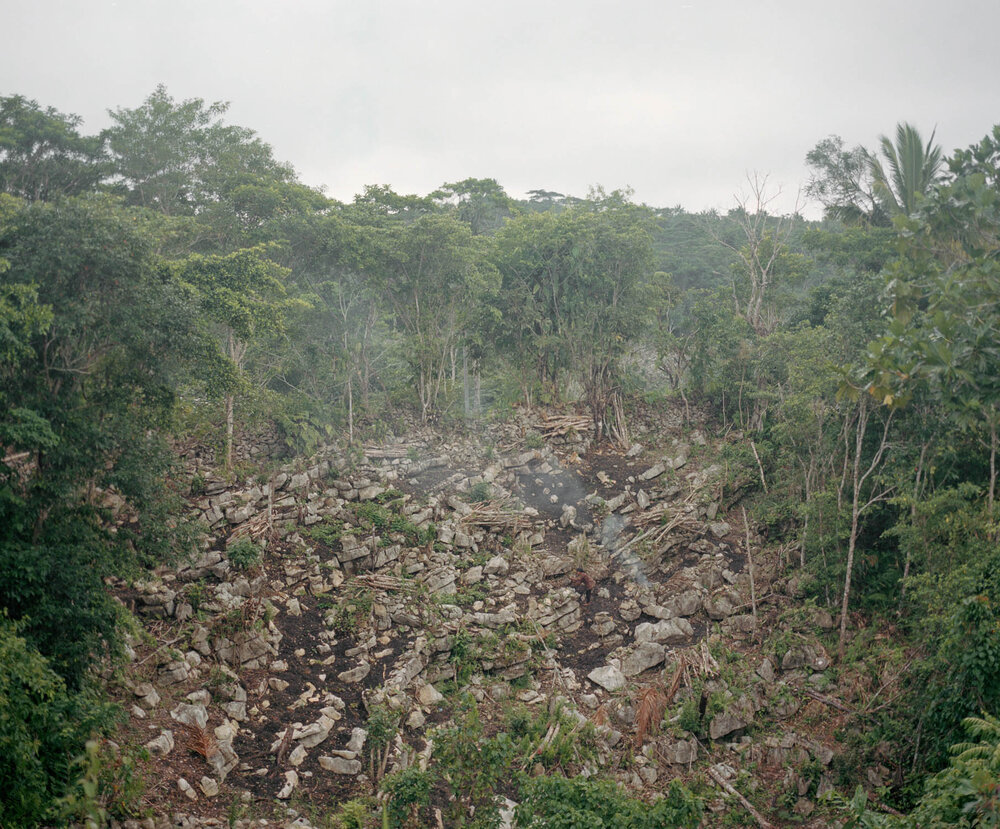
This project chronicles the aftermath of centuries-long colonization and exploitation in Banda, a remote archipelago dotted the vast sea in eastern Indonesia. Comprised of ten small islands which rarely appear on most maps, Banda was the setting of some earliest European ventures in Asia and played an important role in global economic history. It was here too the English established their first colony overseas: an island named Rhun which later surrendered to the Dutch in exchange for Manhattan.
Banda was once famed for its nutmeg production, an aromatic spice prized as flavoring, medicinal, and preservative agent during the middle ages. Grown only in Banda back then, nutmeg commanded astronomical prices in Europe and awarded outrageous profits to anyone who controlled its supply. Finding Banda, and the rest of neighboring Spice Islands, was the main drive behind Europe’s Age of Discovery. But it was for the islanders’ misery. The Dutch, that succeeded ruling Banda after slaughtering almost its entire population, practiced trade monopoly and forced labor that went through a lengthy and most definitive process of experimentation. Banda was a perfect example of European domination.
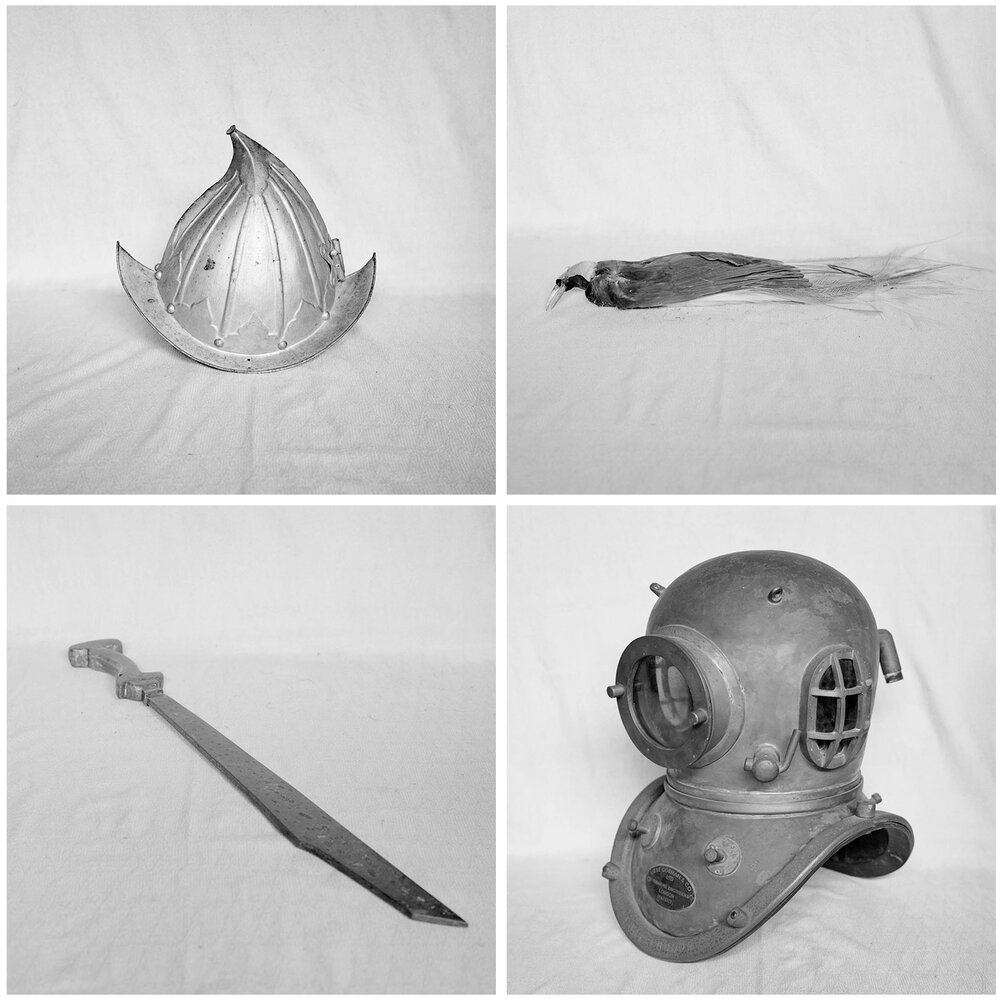
Now that nutmeg’s glorious days are long gone, Banda is largely a backwater. This series shows the present state of Banda by underlining the legacy of its colonized past which exists in many forms: historical sites, architectures, traditions, rituals, and the daily life of Bandanese. While the tales regarding the late spice trade and its great influence towards the awakening of global economy are widely admired—and sometimes dramatized—the narratives regarding its human consequences are often overlooked.
This long-term project is a collaboration between Muhammad Fadli and writer Fatris MF. Progress is regularly published by chapters in a bilingual (English and Indonesian) multimedia website thebandajournal.org
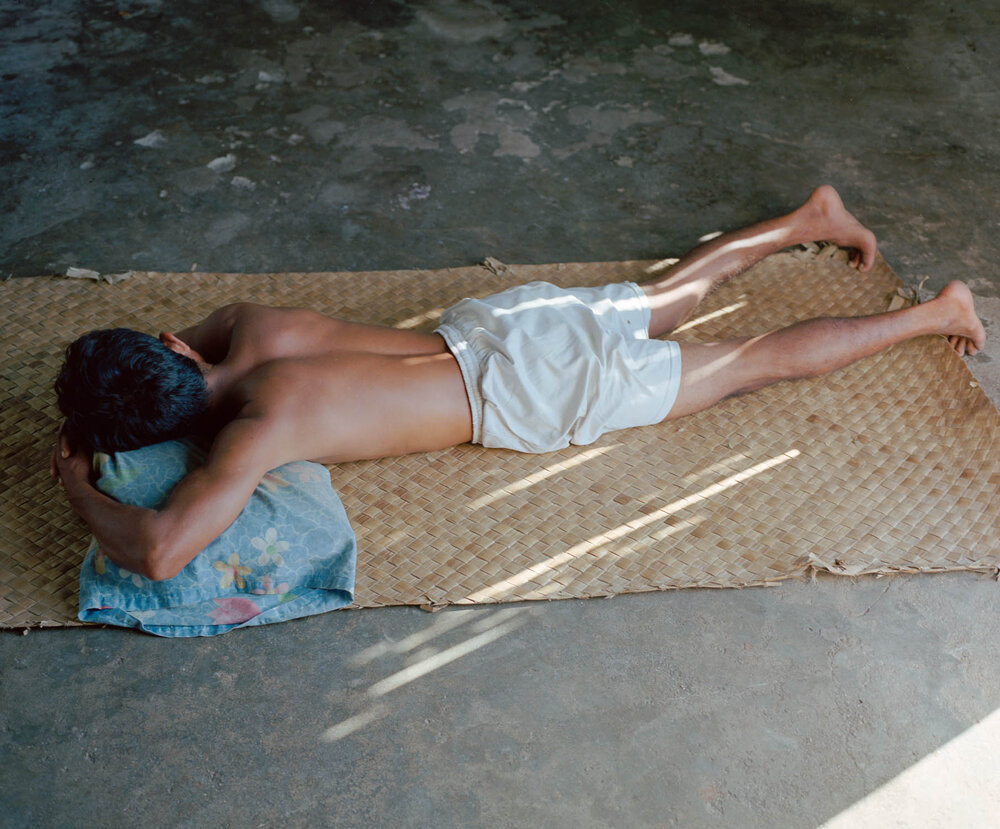
A villager of Rhun takes an afternoon nap on a floor mat. There is nothing much to do for the islanders apart from working in the nutmeg farms or going out in the open sea for fishing. Seorang warga Pulau Rhun sedang tidur siang. Tidak banyak yang bisa dilakukan oleh warga Kepulauan Banda selain bekerja di perkebunan pala atau menjadi nelayan.
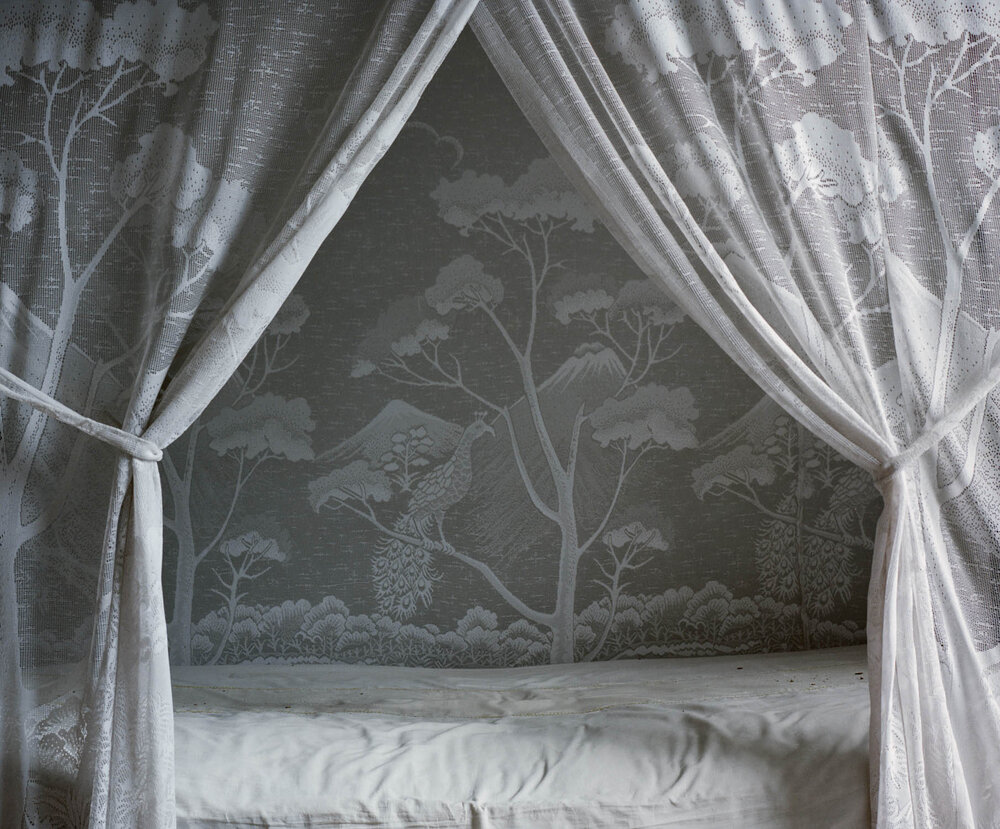
The bed of Mohammad Hatta in his former house of exile. Tempat tidur Mohammad Hatta di bekas rumah pengasingannya.
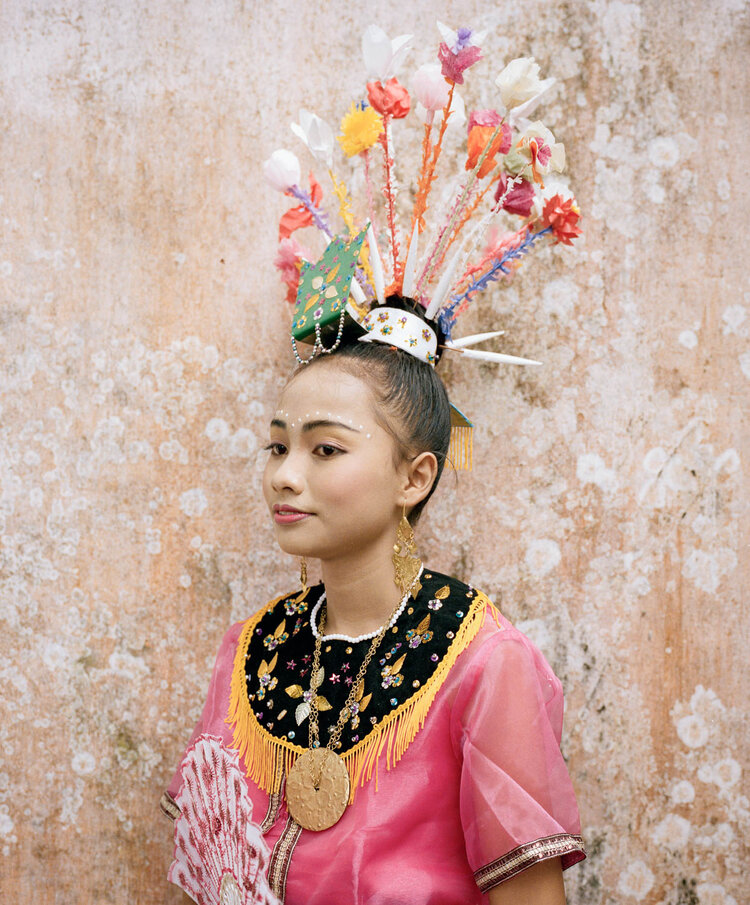
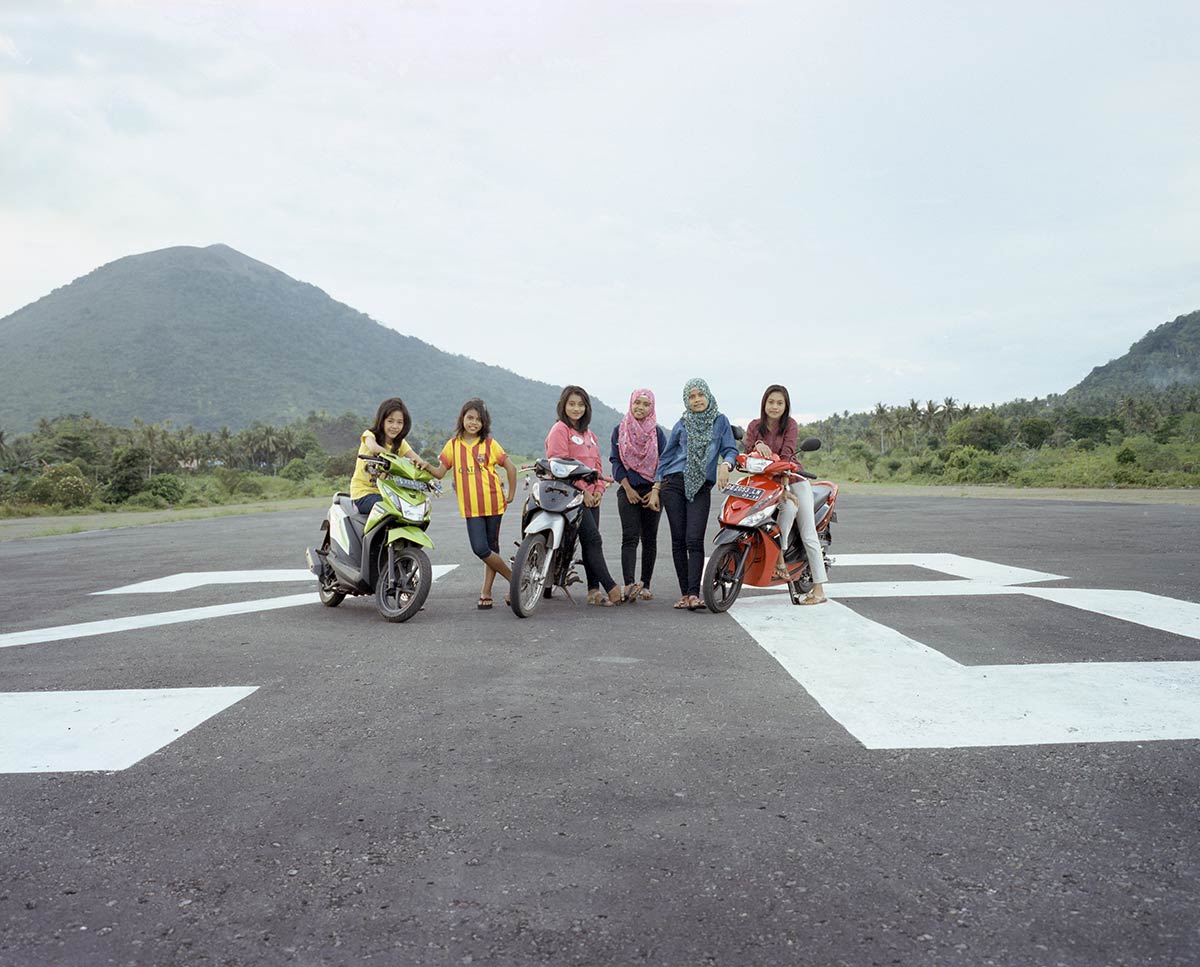
Diah Rahmawati wearing traditional Butonese dance outfit. Most of Banda population today are descendants of plantation workers who were brought by the Dutch, mainly from Java and Sulawesi. Diah Rahmawati mengenakan pakaian tari tradisional Buton. Mayoritas penduduk Banda saat ini adalah keturunan para pekerja perkebunan yang dibawa oleh Belanda dari Jawa dan Sulawesi.
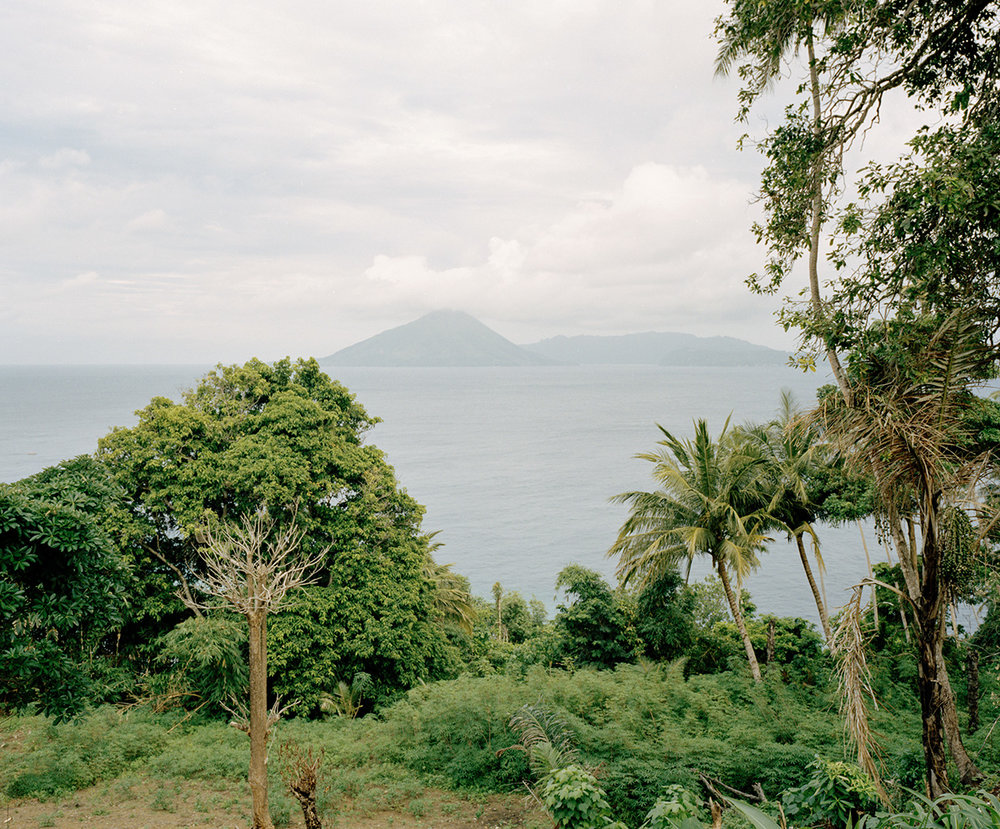
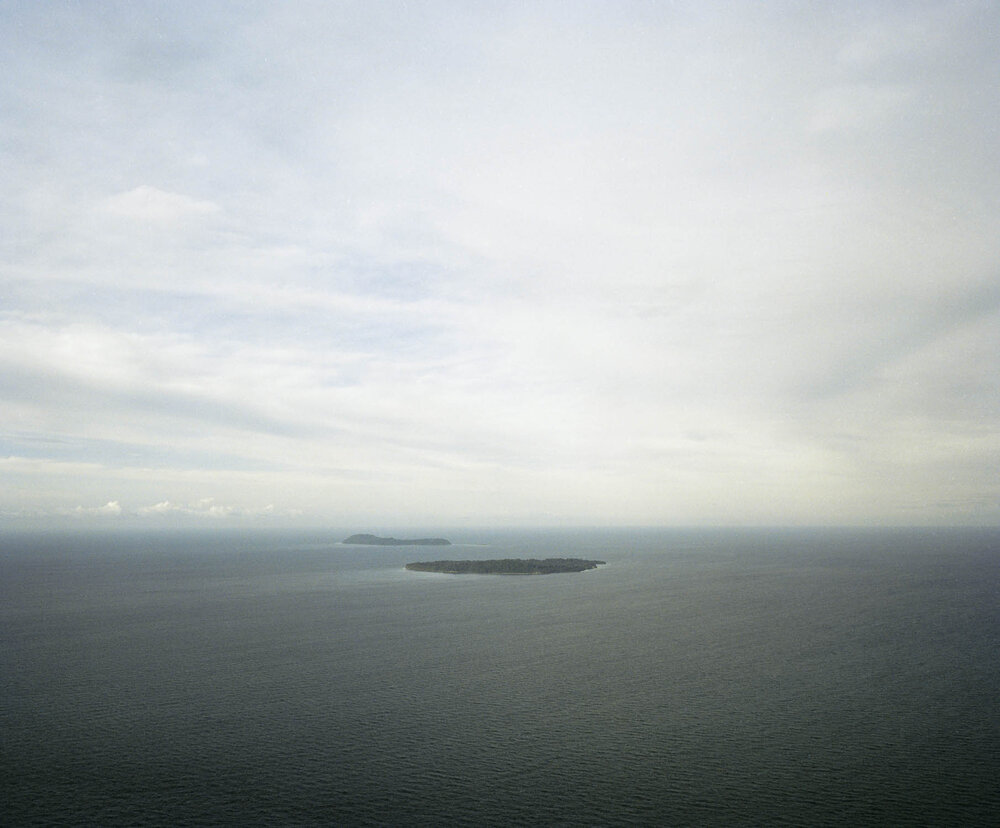
Banda consists of ten tiny volcanic islands which often too small to appear in most maps. Pictured are the islands of Ay (front) and Run (back). Banda terdiri dari 10 pulau kecil yang kerap tidak terlihat di dalam peta. Pada foto ini tampak Pulau Ay (depan) dan Rhun
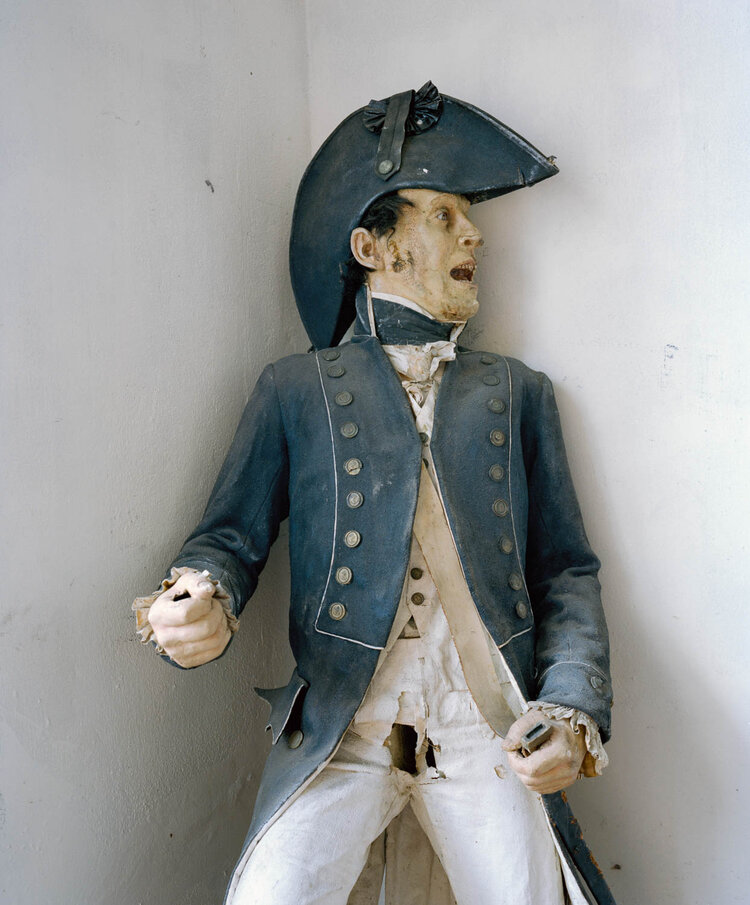
A figure of Captain Sir Christopher Cole inside his former house in Banda Naira. He led a British Navy succesful attack against the Dutch in the heavy-fortified Banda Islands. The British then removed many nutmeg trees and transplated them to Ceylon (now Srilanka) and their other colonies. This action contributed to the downfall of the nutmeg trade. Patung Kapten Sir Christopher Cole di bekas rumahnya di Banda Naira. Di bawah pimpinannya, Angkatan Laut Inggris sukses mengambil alih di Kepulauan Banda yang dijaga ketat oleh Belanda pada awal abad ke-19. Inggris kemudian membawa bibit pohon pala ke Ceylon (sekarang Srilanka) dan koloni mereka yang lain. Ini adalah salah satu penyebab merosotnya bisnis pala.
